
How Long Do Dried Beans Last? What Happens as They Get Older
Oct 02, 2026
Dried beans are one of those foods that people often gravitate towards when building a bulk food pantry or prepper's pantry. And it raises the obvious question: how long do dried beans last?
It seems as though they should last almost indefinitely. They contain very little moisture, don't need refrigeration and, when stored well, they can sit in the pantry for years without showing any obvious signs of spoilage. But dried beans do change over time.
As dried beans age, their quality can deteriorate. Some become increasingly difficult to hydrate and soften, while others can develop problems with splitting, skin loss or poor texture when cooked.
I experienced this recently with some older dried kidney beans I'd purchased from a local bulk food store. I suspect this was very old stock as, at the time, dried organic red kidney beans were almost impossible to source, even from the major importers. Before I'd even soaked them, many of the beans had already split in the bag. During soaking, a large number lost their skins, and on cooking they became mushy rather than nicely tender and intact. One of my members inside The Preserver's Kitchen, my online membership where I teach people how to preserve food, had the exact same experience with dried red kidney beans. Super disappointing.
So, I wanted to talk about what happens with dried beans during storage, the impact this has on cooking, how to store them and an alternative option for storage (hint, it involves a pressure canner).
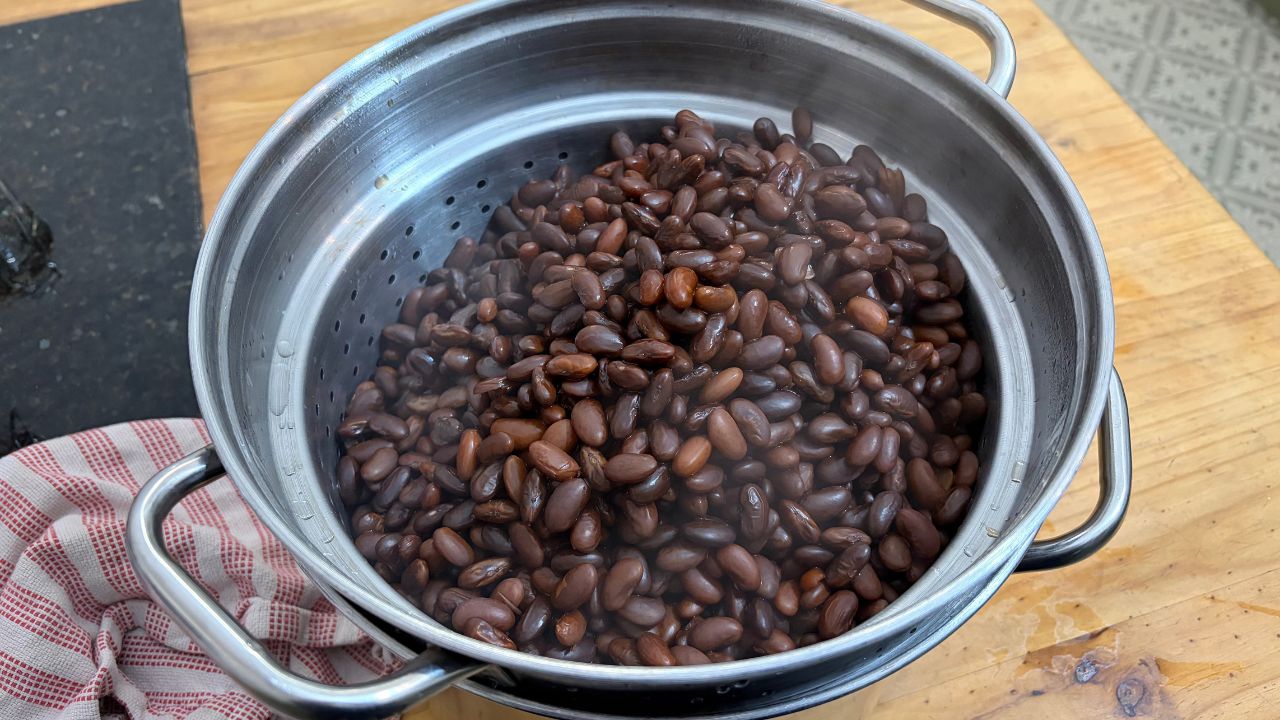 Image: Borlotti beans (cranberry beans) being drained after overnight soaking and a 30 minute boil.
What Happens to Dried Beans During Storage?
Dried beans are very stable compared to fresh foods, but they don't stay completely unchanged over time.
The main quality changes that can happen during storage are:
- They can become harder to cook. This is the most commonly studied storage defect and is often referred to as a hard-to-cook (HTC) defect. Older beans can take longer to soften and may cook less evenly.
- The structures holding the bean cells together become harder to break down. Pectin is one of the main materials that helps hold plant cells together. During storage, especially in warm and humid conditions, changes can make the pectin structure stronger and less able to break down during cooking. This is one reason older beans can stay firmer much longer.
- Hydration can become less predictable. Some older beans may take up water more slowly or unevenly during soaking. This is not exactly the same as the hard-to-cook defect, but both can occur as beans age.
- The seed coat and overall structure can change. Depending on the bean and its storage history, you may see more splitting, loose skins or poor structural integrity during soaking and cooking. These problems are not caused by age alone, but can be part of an overall decline in quality.
- Fats in the beans can oxidise. Beans contain small amounts of fat, including fats in the cell membranes. These can oxidise during storage, particularly in warmer conditions, which can contribute to changes in flavour and cell structure.
- Proteins and starches also change over time. These changes can affect texture, cooking behaviour and digestibility, although they are not thought to be the main cause of the hard-to-cook defect.
- Colour and flavour can change. Some beans darken during storage, and prolonged storage can also lead to stale or less desirable flavours.
- Nutritional quality can decline. Storage-related changes that contribute to the hard-to-cook defect can reduce protein digestibility and the availability of some minerals. If the beans need much longer cooking to soften, that can lead to further nutrient losses.
The biggest factors driving these changes are time, temperature and moisture. Warm, humid storage speeds up deterioration, while cool, dry storage slows it considerably.
Why Do Old Beans Become Harder to Cook?
As dried beans age, especially when they have been stored in warm or humid conditions, changes occur in the structures that hold the bean cells together.
One of the main materials involved is pectin, which helps to bind neighbouring plant cells together. During storage, chemical changes can make these pectin-rich structures stronger and more resistant to breaking down.
When beans are cooked, heat and water normally help loosen these connections so the cells can separate and the bean becomes tender. In older beans, those connections can be much harder to break apart, so the beans take longer to soften and may cook unevenly.
This is known as the hard-to-cook (HTC) defect.
The important thing to understand is that old beans are not simply harder because they have "dried out more". The problem is largely due to structural and chemical changes inside the bean that make the tissues more resistant to softening. Warm, humid storage speeds up these changes, while cool, dry storage slows them down.
Why Can Old Beans Behave Differently in Soaking and Cooking?
Not all age-related quality problems show up as beans simply taking longer to soften.
Some older beans can also hydrate unevenly, split more readily, lose their skins during soaking or break down quickly during cooking. This can happen because storage can affect hydration, the seed coat and the inner bean tissues in different ways.
That means one part of the bean may take up water differently from another, or the seed coat may no longer hold together as well once the bean starts to swell.
My older red kidney beans behaved this way. Many were already split while dry, a lot of skins came away during soaking, and they became mushy after only about 30 min of cooking (see image below). That is a not a classic hard-to-cook defect, but it is still an example of poor storage quality.
Age is not the only possible cause of these problems. Bean variety, physical damage, growing conditions and storage history can all affect how beans behave during soaking and cooking.
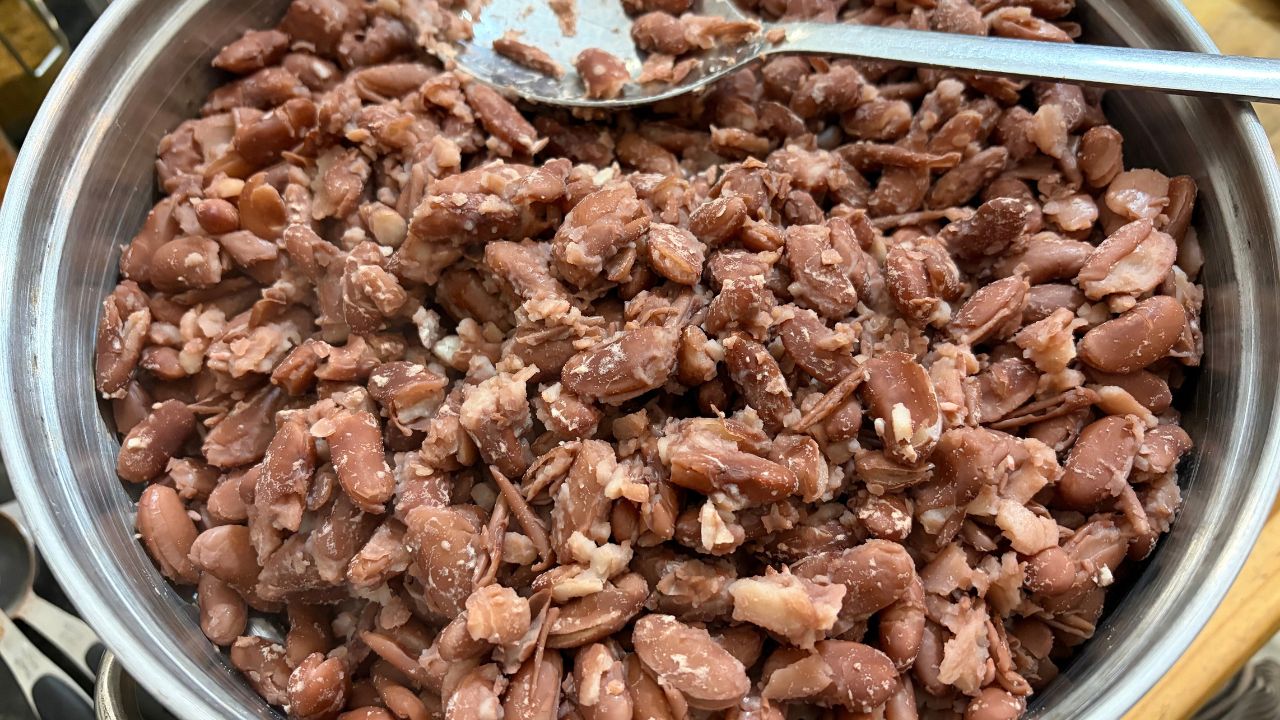 Image: Poor quality dried red kidney beans that were splitting in the bag, went onto losing lots of skin on soaking and turning to mush on cooking.
How Long Can Dried Beans be Stored?
This depends heavily on the packaging they're stored in and the environmental conditions (temperature, humidity and light).
When beans are stored in standard food-grade polyethylene bags, as is common with supermarket packaging, they have a shelf life of one year or more. Cooler, drier storage conditions will generally help preserve quality for longer.
If using Mylar bags with the oxygen removed, the shelf life can be 10 or more years.
In one study cited by Utah State University, pinto beans stored for up to 30 years still had a greater than 80% acceptance by a consumer taste panel for use as an emergency food, although some quality loss had occurred. (https://extension.usu.edu/preserve-the-harvest/dev/storing-dry-beans-1)
There are also anecdotal reports of very old dried beans remaining usable under long-term storage conditions, including black beans stored for more than 20 years in large plastic buckets. (https://www.iamcountryside.com/growing/how-long-do-dry-beans-last/)
These examples highlight how important the packaging and storage conditions are for long-term storage of dried beans. They also show that beans are not completely unchanged during storage and, even when they remain edible, their quality can gradually deteriorate.
How Can You Tell if Dried Beans Are Too Old to Cook?
Unfortunately, you can't always tell just by looking at dried beans. Beans can appear perfectly normal in the packet but behave very differently once they are soaked and cooked.
Signs that quality of the beans has deteriorated include:
- taking much longer than expected to hydrate during soaking
- swelling unevenly
- remaining firm or hard despite extended cooking
- cooking unevenly, with some beans softening while others remain firm
- excessive splitting in the storage container
- excessive splitting or skins coming away during soaking
- breaking down or becoming mushy rather than cooking to a tender texture
A few split beans or loose skins aren't necessarily a sign that the beans are too old. Variety, physical damage, growing conditions and storage history can all affect how beans behave. It's the overall cooking performance that is more useful when assessing quality.
When Should Dried Beans be Thrown Out?
Dried beans should be discarded if there are obvious signs that they have been exposed to moisture or contaminated, including:
- mould
- insect activity or infestation
- an unusual or unpleasant smell
- dampness
- obvious deterioration or contamination
There is also a point where dried beans may still be technically edible but simply aren't worth keeping. If they consistently refuse to soften, take an excessive amount of time and energy to cook, or produce a texture you don't enjoy eating, replacing them with fresher beans may be a better option for you. In the case of my mushy kidney beans, they didn't taste great either, even after trying to turn them into refried beans, so those beans went into the compost bin. Disappointing but not worth the time, effort or additional ingredients to try to use them.
How Should Dried Beans be Stored?
As is the case for the storage of most food items, dried beans should be stored in packaging that provides a good moisture and oxygen barrier, in a cool, dry place where they are protected from light.
For short-term storage in your pantry, a glass jar with a well-fitting lid is a good option. If you purchased the dried beans in bulk and they arrived in Mylar bags, it's a good option to leave them in those bags and dispense into pantry jars as needed. When purchasing in bulk, it's a good idea to only buy what you can realistically use within a few years and rotate your stock so the oldest beans are used first.
For very long-term storage, it is also beneficial to reduce the amount of oxygen in the packaging. Mylar bags provide a very good barrier to oxygen and moisture, and oxygen absorbers can be used inside the sealed bags to remove much of the remaining oxygen.
It's always good practice to label the packaging or storage containers with the date they were filled and bring across any best-before dates from the original supplier packaging.
For beans in regular pantry storage, check them periodically and always inspect for moisture, insect activity, mould, excessive cracking or physical damage before using. For sealed long-term storage, check the packaging remains intact and inspect the beans when the package is eventually opened.
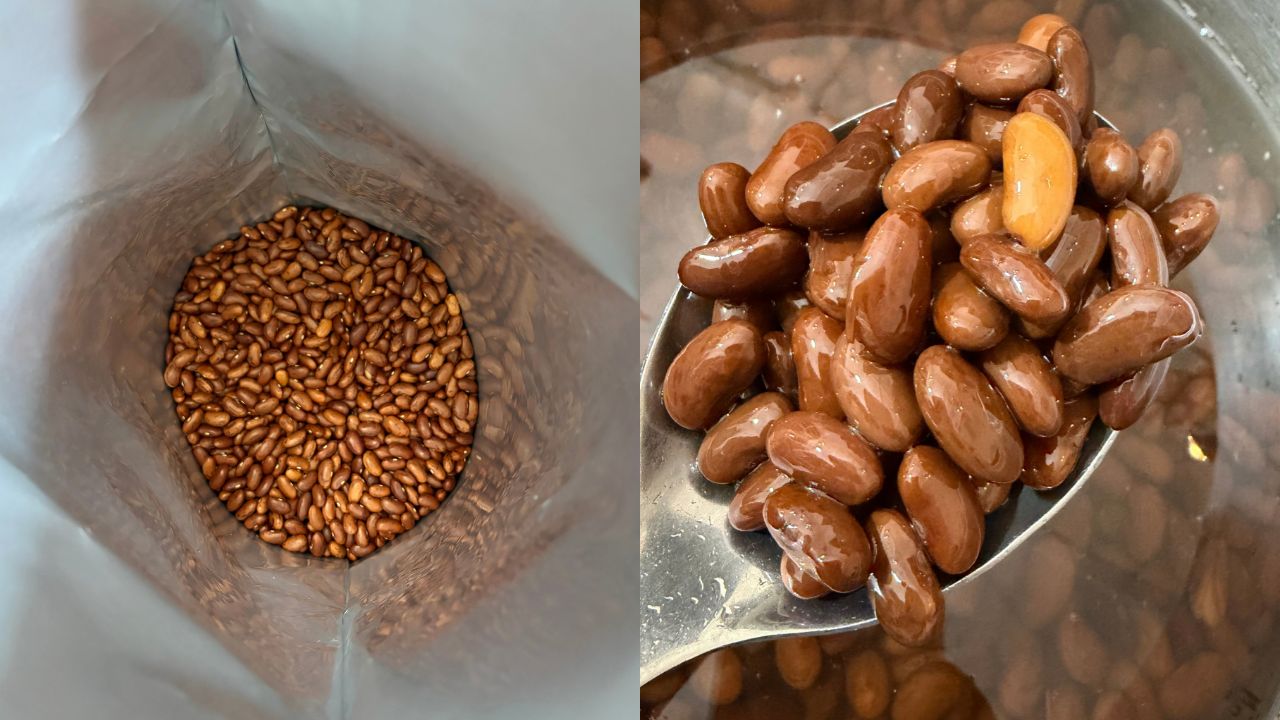 Image: Dried borlotti beans stored in a Mylar bag (left) and after overnight soaking (right)
Dried or Pressure Canned: What Makes More Sense?
The good news is that you don't need to pick one or the other. Dried and pressure canned beans serve different purposes, and having some of each in your pantry can make a lot of sense depending on how you use them.
Why Keep Beans Dry?
Dried beans are a great option for bulk storage because they are:
- compact and take up less space than cooked beans
- inexpensive to buy in larger quantities
- easy to store without any preserving equipment
- flexible, as you can soak and cook only what you need
- capable of being stored for many years when packaged and stored well.
The main consideration is that their quality can gradually deteriorate, so they are best treated as a food to store, use and rotate, rather than something to put away indefinitely and forget about.
Why Pressure Can Some of Them?
Pressure canning them gives you a very different kind of pantry food. They've already been soaked, cooked and then pressure canned before going into storage, so they are ready to use whenever you need them.
Unlike dried beans that require some pre-planning if you want to use them for a meal, pressure canned beans are ready to go.
That makes them useful for:
- quick meals when you haven't planned ahead to soak beans
- soups, curries, chilli and other meals where you just want to add beans and keep cooking
- creating your own shelf-stable convenience foods
- preserving some of your dried bean supply while the beans are still cooking well
- emergency food
Pressure canning doesn't necessarily give beans a longer recommended storage life than keeping them dry. The advantage is that you've already soaked and cooked them before storage, so you aren't relying on older dried beans to soften properly several years down the track.
For me, that makes a combination of both useful - keep some beans dry for compact storage, but pressure can some for convenience and to make sure part of that supply is ready to eat when you need it. Plus, our pressure canned homestyle baked beans, chilli beans and Italian borlotti bean soup (shown below) are pretty darn tasty.
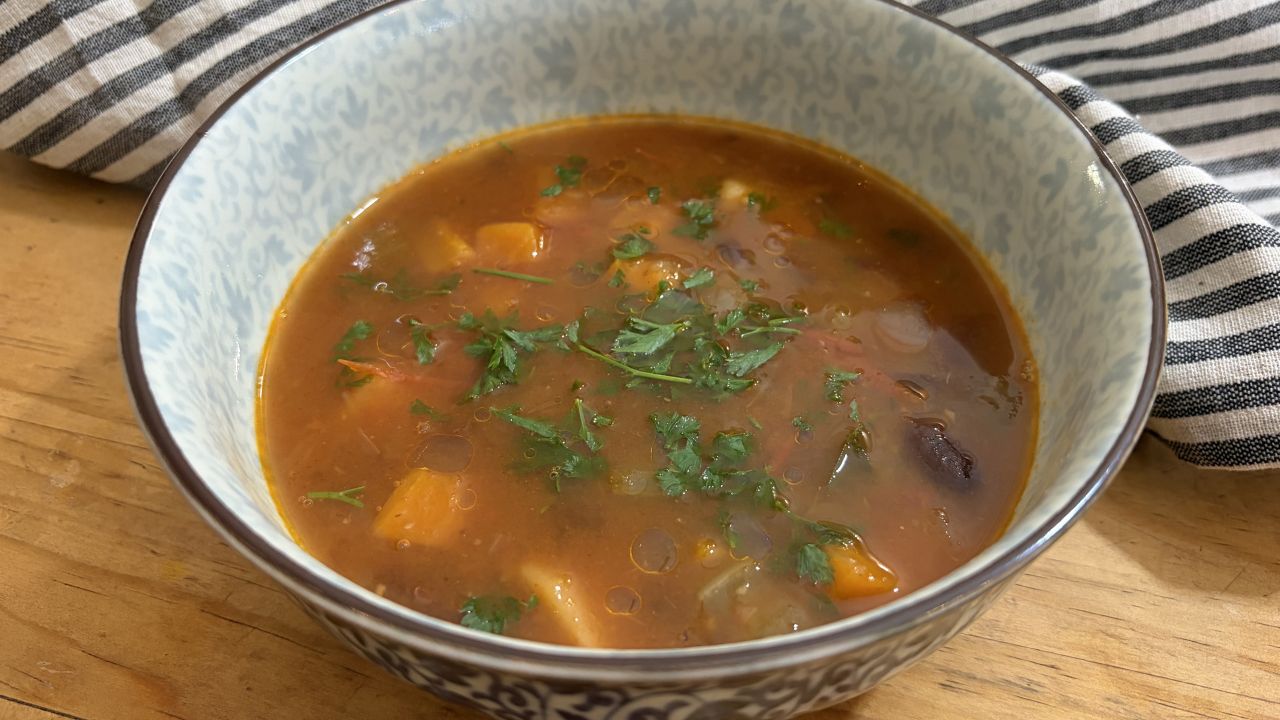 Image: Pressure canned Italian Borlotti Bean Soup reheated and served with a drizzle of olive oil and fresh parsley sprinkled on top.
Frequently Asked Questions
Can You Eat 4 Year Old Dried Beans?
Most likely yes, if they've been stored dry and show no signs of mould, moisture damage, pests or contamination. The bigger issue is most often quality rather than safety.
Four year old beans may take longer to hydrate and cook, or give a poorer texture than fresher beans but, assuming no signs of mould, moisture, pests or contamination, it is definitely worth soaking and cooking to see how they go.
Storage conditions matter more than age alone.
Will Old Beans Ever Soften?
Some will, but they may take much longer than fresher beans. Beans affected by the hard-to-cook defect can remain firm even after extended cooking. Others may soften unevenly and produce a poor final texture.
How Do You Get Old Beans to Soften?
Longer soaking and cooking can help some older beans. Sodium bicarbonate can also speed softening because it changes the cooking environment and helps pectin break down more readily. However, it cannot fully reverse age-related structural changes in badly deteriorated beans. If the beans still cook poorly after reasonable soaking and cooking, replacing them may be the better option.
Is It Okay if Beans Split While Soaking?
A small amount of splitting is normal and does not automatically mean the beans are old or spoiled. Excessive splitting can be associated with physical damage, uneven hydration, variety, storage history or declining quality. If splitting is accompanied by lots of loose skins, poor hydration or poor cooking texture, the may simply be lower quality.
Preserving Made Simple with The Preserver's Kitchen
Get ready to start your preserving journey and enjoy the convenience, joy and abundance that comes from having a pantry full of delicious and healthy home-preserved food.
Our doors are open right now. Click on the link below to learn more about The Preserver's Kitchen.