
Marmalade Recipe
Sep 18, 2026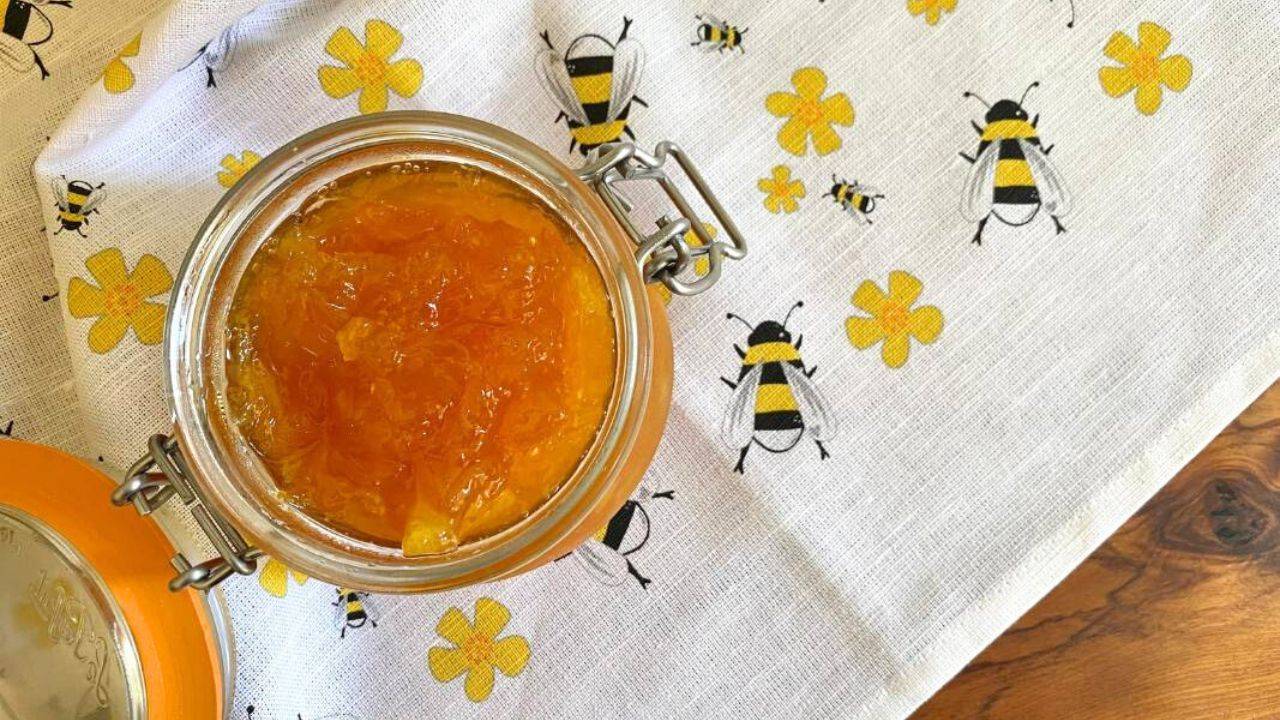
Marmalade is one of those preserves that feels a little special and is the obvious choice when citrus is abundant. This marmalade recipe uses a mix of citrus, grapefruit, orange and lemon, to create a bright, full-flavoured preserve with a good balance of sweetness and bitterness.
I call this one Sunshine Marmalade, partly because of the beautiful colours of the citrus and partly because the finished jars look like little rays of sunshine lined up in the pantry.
There is a little preparation involved, but I find it easiest to prepare and soak the citrus the night before. Removing some of the pith also helps reduce excessive bitterness, particularly when using thicker-skinned citrus.
Once prepared, the marmalade is cooked until the peel is tender, then boiled with sugar until it reaches setting point. It can then be preserved using either the traditional hot-fill (open kettle) method or water bath canning.
And although marmalade is delicious on toast, it’s useful for much more than that. We regularly use it in marinades, baking and glazes too.
How to Make Marmalade
Making marmalade is a little more involved than making a standard jam, but the process is straightforward once you break it into stages. The key is to soften the citrus peel properly before adding the sugar, then cook the marmalade until it reaches setting point without overcooking it.
Makes
6 – 7x 250 mL (8 oz) jars
Ingredients
- 1.2 kg (2½ lb) prepared citrus (grapefruit, orange & lemon)
- 1.5 L (6 metric or 6¼ US cups) water
- 1– 1.2 kg (4½ – 5½ metric or 5 – 6 US cups) sugar (white or golden)
- ¼ cup (metric or US) lemon juice (optional, added at the end of cooking for extra zing)
Method
We've provided both traditional hot-fill (open kettle) preserving and water bath canning instructions – use whichever suits you best.
-
Prepare the citrus.
- Wash the citrus and scrub with a soft brush if needed.
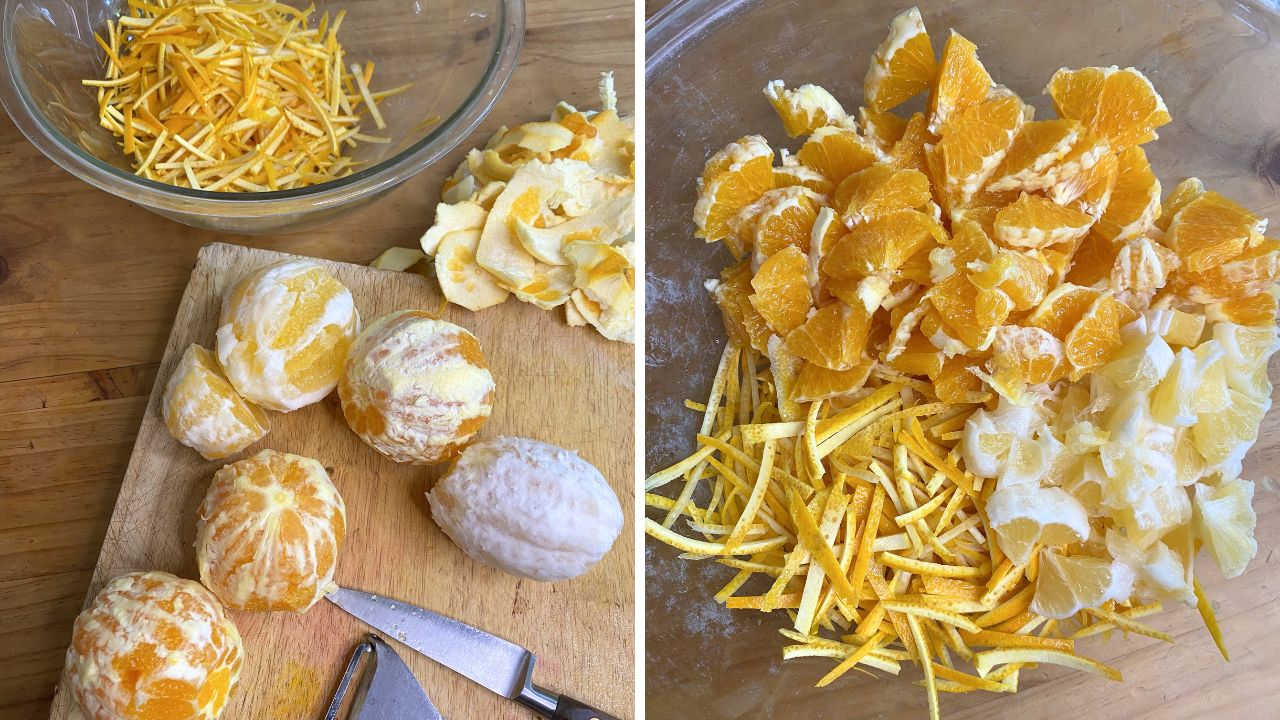
- Use a peeler or sharp knife to remove the zest from at least half of each fruit and slice the zest finely. If you have citrus with very thick pith, remove the zest from the whole fruit.
- Cut the ends off the citrus and discard.
- Cut citrus in half, separating the half that had the zest removed from the half that didn't. Taking the ends that had the zest removed, use a sharp knife to remove and discard the pith.
- Cut the remaining flesh in half then slice into ~3 mm (⅛") thick pieces.
- Combine all of the prepared citrus, zest and released juice to give you 1.2 kg. Place in a non-reactive bowl or pot with the water and leave in a refrigerator overnight.
- If using, fill the water bath canner with enough hot water to cover the jars by at least 2 cm (1"). Set it over a high heat to bring to a boil (covered) while you prepare the jars and marmalade.
- Wash jars and lids. To sterilise and keep jars warm while waiting to be filled, either place in the water bath canner while heating or in a low oven (around 100°C/212°F) until ready to fill. Lids can be sterilised in simmering water or by pouring freshly boiled water over them in a heatproof container before use.
- Traditional hot-fill preserving method – it's important that the jars and lids are sterilised.
- Water bath canning method – jars just need to be warm before filling.
- Place two small plates in the freezer for testing the jam set point later (if using this method).
- Bring the citrus and water to a gentle boil for 1 h (covered) to soften the rind and any remaining pith.
- Add the sugar and stir until dissolved. Bring to the boil for 30 – 40 min (uncovered) at which point the set point should be reached. To test, spread ½ – 1 tsp on a chilled plate. Cool for 30 s, then push the sides with your finger. If the surface wrinkles, it’s ready. If not, continue boiling and test again after a few more minutes. If using a thermometer, the set point is reached at 104.5°C (220°F). You can then confirm with the cold plate/wrinkle test. If using, add the ¼ cup of lemon juice now and mix through.
- Ladle hot marmalade into hot jars, filling to 0.5 cm (¼") headspace.
- Remove bubbles, wipe the rim clean and screw on lids.
- Traditional hot-fill preserving method – screw lids on tight.
- Water bath canning method – screw lids onto fingertip-tight.
- If using the water bath canner, place the jars into the canner, ensuring they are covered with at least 2 cm (1") of water. Bring the water back to the boil, then process for 10 min – adjust time for altitude if needed . At the end of processing, turn off the heat, and remove the canner lid. Wait 5 min, then remove the jars. Place on a folded tea towel or wooden board.
- Leave undisturbed for 12 h, then check the seals, wash the outsides of the jars, label and store.
What Citrus Can You Use for Marmalade?
Marmalade can be made with a wide range of citrus fruits, either on their own or combined. The fruit you choose will affect the flavour, bitterness, colour and final texture of the marmalade.
Good options include:
- Oranges – sweet, familiar and well balanced
- Grapefruit – more bitter, with a stronger citrus flavour
- Lemons – sharp and bright, with plenty of natural pectin
- Mandarins – sweeter and more delicate
- Tangelos – fragrant and slightly tangy
- Limes – sharper and more aromatic
For this recipe, I like to use a mixture of citrus rather than relying on one fruit. It allows you to use up whatever citrus you have available.
Do You Have to Soak Oranges Overnight for Marmalade?
No, not every marmalade recipe requires an overnight soak, but for this recipe I recommend it.
Soaking the prepared citrus overnight helps soften the fruit and peel before cooking and starts the process of extracting the pectin from the fruit. Both are helpful when you want a marmalade with tender peel and a reliable set.
It also makes the recipe easier to manage. You can prepare the citrus in the evening, leave it soaking in the fridge overnight, then cook the marmalade the following day.
Some marmalade recipes use different methods and skip the soaking stage altogether, so it isn’t a universal requirement. For this recipe, though, it is an important part of the process.
How to Make the Perfect Marmalade
A good marmalade should have tender pieces of peel suspended through a softly set jelly, with a balance of sweetness, acidity and bitterness.
The most important thing is to fully soften the peel before adding the sugar. Once the sugar goes in, the peel will not soften much further, so rushing this stage can leave you with tough, chewy pieces.
It is also important to make sure the sugar has completely dissolved before bringing the marmalade to a full boil. From there, cook until the setting point is reached rather than relying on time alone.
Marmalade is ready when it has reached setting point, rather than simply after a fixed cooking time. I recommend using a thermometer to make sure the setting point of 104.5°C (220°F) is reached, but I recommend confirming using the cold plate/wrinkle test.
Finally, avoid boiling the marmalade for longer than necessary. Overcooking can give you a very firm set and a darker, more caramelised flavour.
Can You Reboil Marmalade If It Doesn't Set?
Yes. If your marmalade is still too runny once it has completely cooled, you can reboil it.
Return the marmalade to a large saucepan or preserving pan and bring it back to the boil. Cook for a few minutes, then test the set again using a chilled plate or thermometer. Aim for around 104.5°C (220°F) and confirm with the wrinkle test.
Once it has reached setting point, remove it from the heat and refill clean, hot jars.
Try not to keep boiling it for too long, as repeated or extended cooking can darken the marmalade and give it a firmer set than you want.
What Are Common Marmalade-Making Mistakes?
Most marmalade problems come down to the peel not being softened enough, the mixture not reaching setting point, or the marmalade being cooked for too long.
Marmalade Is Too Bitter
Some bitterness is part of marmalade, but too much can make it unpleasant. Thick pith and naturally bitter citrus, such as grapefruit, can both contribute.
Removing some of the pith before cooking helps, especially when using thicker-skinned fruit. Using a mix of sweeter and more bitter citrus can also give a more balanced flavour.
Marmalade Hasn’t Set
If marmalade is still runny once cooled, it may not have reached setting point before it was taken off the heat.
For this recipe, aim for around 104.5°C and confirm the set using the cold plate test. Marmalade will continue to firm as it cools and can set further over the coming days as the pectin network continues to develop.
Marmalade Is Too Thick
Marmalade that is very firm or sticky has usually been cooked for too long.
Once the marmalade is close to setting point, test it regularly and remove it from the heat as soon as it is ready. This helps avoid overcooking and gives a softer, more spreadable set.
What Happens if You Boil Marmalade Too Long?
Boiling marmalade for too long can give you a very firm or even rubbery set. The colour may also become darker and the flavour more caramelised, rather than fresh and citrusy.
This is why it is better to start testing for set as the marmalade gets close to ready, rather than relying only on cooking time. Once it reaches setting point, take it off the heat promptly.
Should You Stir Marmalade While It Is Boiling?
Yes, marmalade should be stirred while it is boiling, but it does not need constant stirring.
Stir it often enough to stop the mixture catching on the bottom of the pan, particularly as it becomes thicker and more concentrated towards the end of cooking.
Use a long-handled spoon and scrape across the base of the pan as you stir. If the marmalade begins sticking or scorching, the flavour can quickly be affected.
How to Stop Marmalade From Being Too Bitter
Some bitterness is part of what makes marmalade distinctive and delicious, but too much can overpower the fruit.
The biggest contributors are usually the type of citrus used and the amount of pith left on the fruit. Grapefruit, for example, will naturally produce a more bitter marmalade than orange or mandarin.
If you are using thick-skinned citrus, removing some of the pith before cooking can help reduce bitterness. You can also balance more bitter fruit with sweeter citrus rather than using it on its own.
For this recipe, I like to use a mixture of citrus as it gives you plenty of citrus flavour without the bitterness becoming too dominant.
Ways to Use Marmalade
Marmalade is great on toast, but there are plenty of other ways to use it.
You can use it to:
- glaze chicken, pork or ham - see my delicious chicken nibbles with a marmalade glaze below
- add sweetness and acidity to marinades
- stir through sauces and dressings
- add to cakes, muffins and slices (marmalade and dark chocolate cupcakes are delicious)
- layer into desserts
- serve with scones or crumpets
- pair with cheese as part of a platter
It is also a useful ingredient for adding a quick hit of citrus flavour to both sweet and savoury dishes.

How to Store Homemade Marmalade
Once the jars are completely cool, check that they have sealed properly before labelling them with the name and date.
Store sealed jars in a cool, dark place away from direct sunlight and heat. For the best colour, flavour and texture, use homemade marmalade within 12 months.
Once opened, keep the jar in the refrigerator and always use a clean spoon when serving.
If a jar has not sealed correctly, refrigerate it rather than storing it in the pantry. Discard marmalade if you notice mould growth.
Marmalade Recipe FAQs
What’s the Secret to a Thick Marmalade?
A good marmalade set comes from having enough natural pectin, the right balance of sugar and acidity, and cooking the mixture until it reaches setting point.
Citrus fruit is naturally high in pectin, particularly in the peel, pith and membranes. For this recipe, soaking and then cooking the fruit before adding the sugar helps extract that pectin.
The key is not to simply keep boiling until the marmalade looks thick in the pan. Aim for around 104.5°C and confirm the set using the cold plate test. The marmalade will continue to firm as it cools.
Is Marmalade Healthier Than Jam?
No really. Marmalade and jam are both fruit preserves made with sugar, so whether one is “healthier” depends on the recipe and how much you eat.
This marmalade recipe contains less sugar than typical recipes but it's still 1 - 1.2 kg of sugar spread across 6 or so 250 mL jars.
This marmalade recipe is a great way to make the most of seasonal citrus and build up a few extra jars for the pantry. Once you’ve made it a couple of times, the process becomes very straightforward, and you can start experimenting with different combinations of citrus depending on what you have available.
Preserving Made Simple with The Preserver's Kitchen
Get ready to start your preserving journey and enjoy the convenience, joy and abundance that comes from having a pantry full of delicious and healthy home-preserved food.
Our doors are open right now. Click on the link below to learn more about The Preserver's Kitchen.